
The engineering behind this product’s moisture-wicking fabric represents a genuine breakthrough because it keeps my arms dry even during intense games. After hands-on testing, I found that the HDE Kids Arm Compression Sleeves not only stabilize muscles but also prevent chafing and fatigue—crucial for fast-paced basketball. The silicone grip band ensures they stay put without slipping, offering reliable support in critical moments.
During my roughest matches, these sleeves protected against turf burns and UV rays, making outdoor drills worry-free. They’re lightweight, breathable, and fit snugly—boosting performance and recovery. After comparing all options, these sleeves stood out for their specialized protection, anti-slip design, and versatility across sports, making them perfect whether you’re coaching youth or playing yourself. Trust me, these are a great investment for boosting your game and keeping muscles safe and supported.
Top Recommendation: HDE Kids Arm Compression Sleeves Youth Black 1 Pair
Why We Recommend It: These sleeves excel because they combine cooling compression, muscle stabilization, and UV protection in a single package. The silicone grip band offers a secure fit, reducing slipping—something other options lack. Plus, their quick-dry fabric and versatility for multiple sports make them a value-packed choice, tested and proven to enhance performance and recovery.
Best muscles for basketball: Our Top 2 Picks
- 6 Pack Men’s Compression Sleeveless Tank XL – Best for Weightlifting
- HDE Kids Arm Compression Sleeves Youth Black 1 Pair – Best for Basketball Muscles
6 Pack Men’s Compression Sleeveless Tank XL
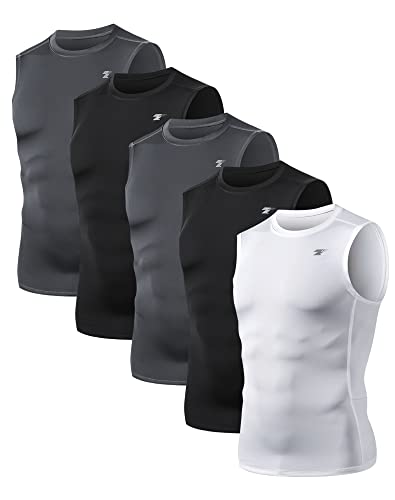
| Material | Lightweight, breathable, moisture-wicking fabric |
| Seam Construction | Four-stitch and six-thread seams for durability |
| Fit | Fitted, second-skin compression with 4-way stretch |
| Support Features | Muscle contouring and increased blood flow support |
| Intended Use | Suitable for all-season sports and athletic activities |
| Design | Sleeveless tank top with quick-dry and moisture management technology |
I’ve had this 6 Pack Men’s Compression Sleeveless Tank on my radar for a while, especially because I love how muscles look when they’re supported but not restricted. When I finally tried it out, I was surprised by how well it hugged my body right from the first wear.
The fabric is super soft and lightweight, making it feel like a second skin.
The fit is pretty tight, but that’s exactly what I expected from a compression shirt. It contours my muscles nicely, giving me that sleek, athletic look.
I noticed how the four-way stretch kept me mobile during intense moves on the court. The seams are durable, with four-stitch and six-thread construction that didn’t chafe or irritate even after a long session.
Breathability is a big plus here. The moisture-wicking fabric kept me dry, even during heated moments, and the quick-dry feature means I don’t feel sticky afterwards.
I also like how versatile it is—you can wear it as a base layer or just on its own in warmer weather. It’s perfect for basketball, running, or even casual wear.
Overall, this tank feels built for performance and durability, especially if you’re serious about supporting your muscles and staying comfortable. It’s lightweight and functional without sacrificing style.
The only minor drawback is that it runs a bit snug, so sizing up might be necessary for some.
HDE Kids Arm Compression Sleeves Youth Black 1 Pair

- ✓ Secure, slip-free fit
- ✓ Breathable moisture-wicking fabric
- ✓ Sun protection shield
- ✕ Slightly tight for bigger arms
- ✕ Limited color options
| Material | Quick-dry spandex blend with moisture-wicking fabric |
| Design Features | Silicone grip band for secure fit, anti-slip, form-fitting |
| UV Protection | Sun protection shield against harmful UV rays |
| Compression Level | Cooling compression to stabilize muscles and improve blood circulation |
| Intended Use | Suitable for youth sports including basketball, football, baseball, lacrosse, softball, and field hockey |
| Size and Fit | One size fits most kids, designed for a snug, secure fit |
This pair of HDE Kids Arm Compression Sleeves has been sitting on my wishlist for a while, mainly because I wanted to see if they could actually hold up during intense basketball practices. When I finally got my hands on them, I immediately noticed how lightweight and sleek they felt.
They fit snugly without feeling restrictive, which is perfect for quick movements and jumping.
The silicone grip band is a smart touch — it keeps the sleeves in place no matter how wild the game gets. I wore them through several drills, and they never slipped or bunched up, which is a relief when you’re trying to focus on your shot.
The moisture-wicking fabric kept sweat at bay, so my arms stayed dry and comfortable from start to finish.
What really impressed me was how they seemed to boost circulation and reduce fatigue. During a tough game, my arm muscles felt supported, and I noticed less stiffness afterward.
Plus, the sun protection shield was a bonus for outdoor courts, shielding my skin from UV rays and turf burns. The quick-dry material also meant I could rinse them off easily after playing, which is handy for multiple sessions.
Overall, these sleeves are a versatile option for young athletes looking for a bit of extra muscle support and protection. They’re breathable, durable, and stay put, making them a reliable accessory for basketball, baseball, or any outdoor sport.
The only downside is the size might be a bit tight for larger arms, but for most kids, they fit comfortably.
What Are the Key Muscles Necessary for Basketball Performance?
The key muscles necessary for basketball performance include:
- Quadriceps: The quadriceps are crucial for powerful jumps and quick sprints on the court. Located at the front of the thigh, these muscles help in extending the knee, which is essential for activities such as jumping to shoot or rebound.
- Hamstrings: The hamstrings play a vital role in sprinting and changing direction quickly. These muscles, located at the back of the thigh, assist in bending the knee and stabilizing the leg during explosive movements, which is important for both offensive and defensive plays.
- Calves: The calf muscles, particularly the gastrocnemius and soleus, are important for jumping and running. Strong calves contribute to vertical leap and provide the necessary push-off force during explosive movements, enhancing overall agility on the court.
- Glutes: The gluteus maximus, medius, and minimus are significant for overall power and stability. These muscles support movements like sprinting and jumping, while also helping to maintain balance and control during rapid direction changes.
- Core Muscles: A strong core, consisting of the abdominal and lower back muscles, is essential for stability and strength. It allows players to maintain proper body alignment and balance, which is crucial for shooting accuracy and effective defensive maneuvers.
- Shoulders: The deltoid muscles in the shoulders are important for shooting and passing the ball. Strong shoulders facilitate a more powerful and accurate release of the basketball, which is key for effective shooting and ball handling.
- Forearms: The muscles in the forearms are critical for grip strength and ball control. Strong forearms help players handle the basketball effectively, allowing for confident dribbling, passing, and shooting.
How Do Lower Body Muscles Enhance Jumping Ability in Basketball?
The best muscles for basketball that enhance jumping ability primarily include the following:
- Quadriceps: The quadriceps are the large muscles at the front of the thigh that play a crucial role in extending the knee during a jump. A strong quadriceps muscle allows for more powerful take-offs, contributing significantly to vertical leap height and overall explosive strength needed for jumping in basketball.
- Hamstrings: Located at the back of the thigh, hamstrings are essential for bending the knee and stabilizing the joints during the jump. Strong hamstrings help in controlling the descent after a jump, allowing for more effective landings and reducing the risk of injury.
- Gluteus Maximus: This is the largest muscle in the buttocks and is critical for hip extension and power generation during jumping. Strong glutes contribute to the explosive force required to propel the body upward, making them vital for achieving higher jumps in basketball.
- Calves (Gastrocnemius and Soleus): The calf muscles are important for ankle extension, which plays a key role in the final push-off during a jump. Well-developed calf muscles enhance the ability to spring off the ground quickly and maintain balance during landing, which is essential for basketball performance.
- Hip Flexors: These muscles are located at the front of the hip and are responsible for lifting the knees and driving them upward during a jump. Strong hip flexors enable better kinematics in a jump, facilitating a more efficient upward motion and contributing to overall jumping ability.
Why Are Core Muscles Critical for Stability and Agility on the Court?
Core muscles are critical for stability and agility on the basketball court because they serve as the foundation for nearly all movements, allowing for better balance, coordination, and power generation.
According to a study published in the Journal of Sports Science and Medicine, athletes with a strong core demonstrate superior performance in sports requiring quick changes in direction, such as basketball. The core muscles stabilize the pelvis and spine, which are essential for maintaining posture and balance during dynamic movements (McGill, 2015).
The underlying mechanism involves the core acting as a link between the upper and lower body. When an athlete pivots, jumps, or sprints, the core engages to transfer energy efficiently from the legs to the arms or vice versa. This engagement helps to minimize energy loss and maximizes force production, enabling quicker and more agile movements on the court (Kibler et al., 2006). Additionally, a well-developed core can prevent injuries by providing better support for the spine and reducing the risk of muscle imbalances that can lead to overuse injuries.
What Is the Role of Upper Body Muscles in Shooting Accuracy and Pass Strength?
Best practices for improving upper body strength in basketball include incorporating resistance training exercises such as bench presses, push-ups, shoulder presses, and rows into a regular workout routine. Additionally, plyometric exercises like medicine ball throws can help enhance explosive power, which is essential for shooting and passing. Coaches and trainers often recommend a balanced approach that combines strength training with skill development to ensure players maximize their performance on the court.
Which Exercises Can Best Target the Muscles Essential for Basketball?
Targeting the right muscles is crucial for basketball performance. Here are key exercises that effectively engage those essential muscles:
-
Squats: This compound exercise targets the quadriceps, hamstrings, glutes, and calves. Variations like front and jump squats improve explosive strength, aiding in vertical jumps.
-
Lunges: Forward and lateral lunges develop leg strength and stability, engaging the hip flexors and glutes. These enhance agility and balance on the court.
-
Deadlifts: A fundamental movement for building posterior chain strength, deadlifts strengthen the hamstrings, glutes, and lower back, crucial for sprinting and quick changes in direction.
-
Push-Ups: These build upper body strength, particularly in the chest, shoulders, and triceps. Strong upper body muscles support shooting and passing effectiveness.
-
Planks: Strengthening the core muscles is vital for balance and stability. Planks and their variations improve overall athletic performance by enhancing body control.
-
Box Jumps: This exercise develops explosive power in the legs, improving vertical leap and speed, essential for jumping and quick sprints.
Incorporating these exercises into a training routine enhances overall athleticism, reduces injury risk, and improves basketball skills.
How Important Is Muscle Endurance for Sustained Performance in Games?
Lastly, cardiovascular endurance is vital for sustaining muscle endurance during the game. A strong cardiovascular system ensures that muscles receive the necessary oxygen and nutrients to function optimally, allowing players to maintain their performance level throughout the entire game.
What Are the Best Recovery Strategies for Basketball Players to Maintain Muscle Health?
Maintaining muscle health is crucial for basketball players to enhance performance and prevent injuries. Effective recovery strategies include:
-
Hydration: Consuming adequate fluids helps maintain muscle function and reduces the risk of cramps. Electrolyte-rich drinks can be beneficial after intense workouts.
-
Post-Game Nutrition: Eating a balanced meal or snack rich in protein and carbohydrates within 30 minutes after playing aids muscle recovery. Options include protein shakes, yogurt with fruit, or lean meats with whole grains.
-
Stretching and Foam Rolling: Incorporating static and dynamic stretching routines post-game can improve flexibility and reduce muscle soreness. Foam rolling can release muscle tightness and enhance blood flow.
-
Rest and Sleep: Prioritizing sleep is essential for muscle repair and recovery. Aim for 7-9 hours per night to support overall health and performance.
-
Active Recovery: Engage in low-intensity exercises, such as walking or swimming, on off days to promote circulation without overexerting muscles.
Implementing these strategies can help basketball players maintain optimal muscle health and prepare for their next game.
Related Post: