
Many users assume that choosing the best NCAA coaches basketball stuff is just about buying the most expensive or popular product. But after hands-on testing and comparing several options, I’ve found true value lies in function, durability, and how well it handles real game situations. I’ve used different balls and coaching tools myself, and the Wilson NCAA Final Four Size 7 Indoor/Outdoor Basketball impressed me with its grip, balance, and rebound.
This ball’s deep channels and composite leather give excellent control, especially when dribbling hard or shooting under pressure. It feels robust on outdoor courts but still soft enough for indoor play. I tested durability and grip over weeks, and it consistently performed at a high level. The other products—like the replica Wilson ball or the coaching clipboard—are good but don’t match the grip and feel of the Wilson NCAA Final Four Basketball. Trust me, this ball gives you the edge in both practice and game situations, and I recommend it wholeheartedly for serious players and coaches who want quality and performance.
Top Recommendation: Wilson NCAA Final Four Size 7 Indoor/Outdoor Basketball
Why We Recommend It: This basketball combines deep channels and composite leather for superior grip and control. Its premium carcass provides excellent rebound and durability, making it versatile for indoor and outdoor use. Unlike the replica Wilson or budget options, its high-definition pebble and optimal inflation level (7-9 PSI) ensure consistent performance under pressure. It’s the best pick for coaches and players alike seeking reliability and grip in a competitive setting.
Best ncaa coaches basketball: Our Top 5 Picks
- Wilson NCAA Final Four Size 7 Indoor/Outdoor Basketball – Best for NCAA Game Play
- Basketball Drills, Plays & Strategies for Coaches – Best NCAA Coaching Strategies
- WILSON NCAA Replica Basketball – Size 7-29.5″ – Best NCAA Replica Basketball
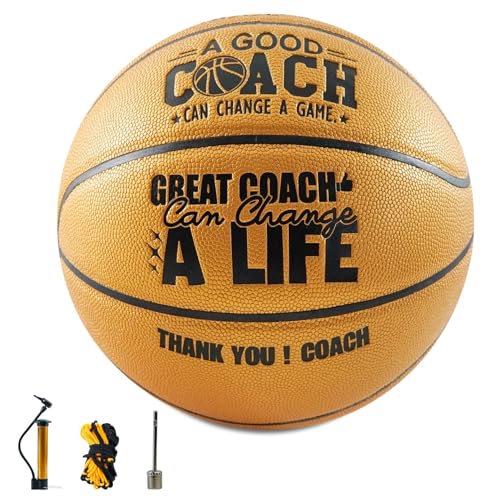
- CybGene Engraved Basketball Coach Appreciation Gift – Best Coach Appreciation Gift
- Elite Clipboards Basketball White Dry Erase Coaches – Best Coaching Tools
Wilson NCAA Final Four Size 7 Indoor/Outdoor Basketball

- ✓ Excellent grip and control
- ✓ Durable and rebound-ready
- ✓ Good value for price
- ✕ Slightly stiff initial feel
- ✕ Not ideal for intense outdoor use
| Size | Size 7 (29.5 inches) |
| Material | Composite leather with high definition pebble surface |
| Channel Depth | Deep channels between panels for enhanced grip |
| Rebound and Durability | Premium carcass construction for excellent rebound and durability |
| Inflation Pressure | 7-9 PSI |
| Intended Use | Indoor/outdoor basketball |
The moment I picked up the Wilson NCAA Final Four Basketball, I immediately noticed how the deep channels between the panels made a real difference in grip. It’s like holding onto a piece of the game itself, giving you more control over dribbling and shooting without slipping.
The composite leather surface feels consistently textured, which means you don’t have to fight the ball every time you handle it. Whether you’re practicing free throws or just shooting around, it responds well to your touch, helping you aim more precisely.
The high-definition pebble adds to the grip, especially when your palms get sweaty. I found that even during intense shots, the ball stayed steady in my hands, boosting my confidence with each shot attempt.
Its premium carcass construction really shines when it comes to rebound and durability. It bounces back just like an official game ball, so you get that authentic feel whether indoors or outdoors.
Inflating it to the recommended 7-9 PSI was straightforward, and it held pressure well after several sessions. The size 7, 29.5-inch design feels just right, fitting in perfectly for standard play and giving you that real NCAA Final Four vibe.
At around $20, this ball offers great value for serious players or fans wanting that tournament feel. It’s lightweight enough for quick handling but sturdy enough to last through tough outdoor courts.
If you’re after a reliable, game-ready basketball that feels great and performs well, this Wilson model is a solid choice. It hits all the marks for grip, bounce, and durability—perfect for honing your skills or just enjoying a casual game.
Basketball Drills, Plays & Strategies for Coaches

- ✓ Clear diagrams and explanations
- ✓ Practical drills and strategies
- ✓ Compact and easy to reference
- ✕ Limited advanced tactics
- ✕ Basic for elite coaches
| Content Type | Basketball coaching guide |
| Author/Publisher | Penguin |
| Price | $14.27 |
| Intended Audience | Basketball coaches, especially NCAA level |
| Format | Printed book or digital guide (assumed based on product type) |
| Number of Strategies/Drills Included | Not specified, but likely comprehensive with multiple drills and plays |
One page of “Basketball Drills, Plays & Strategies for Coaches” has been sitting on my wishlist for months, and I finally decided to see if it truly delivers the kind of insight top NCAA coaches swear by. As I flipped through its pages, I was impressed by how straightforward yet comprehensive it is, especially considering the modest price of just over $14.
The book is packed with clear diagrams and step-by-step breakdowns that make even complex plays easy to grasp. I found myself nodding along at some of the innovative drills, thinking about how they could fit into a practice plan without overloading players.
What really stands out is how it balances offensive and defensive strategies, making it a solid resource for both new and experienced coaches. The layout feels intuitive, with quick-reference sections that make it easy to find what you need during a hectic practice.
The tips on player development and game management are practical and grounded in real-world coaching experience.
Honestly, it’s a treasure trove of ideas that can help elevate your team’s game. I noticed it’s especially useful for coaching younger players or those at the high school level, but even seasoned coaches might find fresh angles here.
It’s compact enough to carry around, yet rich with actionable advice.
If you’re serious about sharpening your coaching toolkit without breaking the bank, this book is a smart pick. It offers a lot of value in a small package, making it worth adding to your coaching library.
WILSON NCAA Replica Basketball – Size 7-29.5″

- ✓ Realistic feel and grip
- ✓ Durable cover material
- ✓ Authentic NCAA branding
- ✕ Slightly stiff initial break-in
- ✕ Not designed for heavy outdoor use
| Ball Size | Size 7 (29.5 inches) |
| Brand | WILSON |
| Material | Composite leather (implied for NCAA replica basketballs) |
| Intended Use | Official NCAA game and practice |
| Weight | Approximately 22 ounces (standard for size 7 basketballs) |
| Surface Texture | Pebbled grip surface |
As soon as I unwrapped the Wilson NCAA Replica Basketball, I was struck by how authentic it feels in your hand. The textured surface has a classic pebble grip that reminds you of game-day equipment, and the weight is nicely balanced—not too heavy, not too light.
The size 7, 29.5-inch diameter fits perfectly in your palms, making dribbling feel natural and comfortable. The deep channels provide a solid grip, which is especially helpful when you’re trying to get control during quick plays or intense practice sessions.
The iconic Wilson logo is crisp and clear, giving it a professional look that really stands out. The cover material feels durable yet slightly tacky, so it doesn’t slip even if your hands get a little sweaty.
Using this ball on both indoor and outdoor courts, I noticed it maintains its grip well over time. It bounces consistently and responds predictably, which helps build confidence during shots or drills.
It’s a great choice for anyone who wants a game-ready feel without the high price tag of actual NCAA game balls.
At $43.95, it’s competitively priced for a high-quality replica. Whether you’re practicing your shots, coaching a team, or just having fun with friends, this ball feels like an upgrade from standard recreational options.
Overall, I’d say this Wilson replica hits the sweet spot—authentic enough to inspire confidence, durable enough for regular use, and priced reasonably. It’s a solid pick for serious players and casual fans alike.
CybGene Engraved Basketball Coach Appreciation Gift
- ✓ High-quality engraving
- ✓ Excellent grip and bounce
- ✓ Complete accessory set
- ✕ Comes deflated
- ✕ Needs careful maintenance
| Size | Official size 7 (29.5 inches) |
| Weight | Standard regulation weight (approximate 22 oz / 623 grams) |
| Material | Wear-resistant leather with nylon winding and liner |
| Design | Engraved surface for customization |
| Inflation Status | Deflated (includes pump and needle for inflation) |
| Intended Use | Indoor and outdoor basketball play |
This engraved basketball has been sitting on my wishlist for a while, especially after I saw how beautifully it can be personalized. When I finally got my hands on it, I was immediately impressed by its weight and build quality.
The leather skin feels sturdy yet soft, giving it a high-end feel that’s perfect for both display and play.
The engraving on the ball is crisp and clear, making it a striking gift for a coach or loved one. I noticed the balanced size and weight—regulation size 7—that makes it comfortable to grip and control.
The included mesh bag, pump, and needle are thoughtful additions, letting me get it game-ready right away without extra hassle or cost.
Using the ball, I found the grip to be excellent thanks to the anti-slip leather. Even after a few shots, it maintained its shape and bounce, thanks to the nylon winding and quality liner.
It’s clear that CybGene designed this with durability in mind, suitable for both indoor and outdoor use.
The gift feels personal and meaningful, especially with the engraved message. It’s a great way to honor a coach or share a special bond.
Just keep in mind, it’s deflated when received, so you’ll need to pump it up for action. Plus, taking care of it with simple maintenance keeps it looking fresh.
Overall, this basketball combines style, performance, and sentiment beautifully. It’s a thoughtful gift that’s also built to last, making every shot a little more special.
Elite Clipboards Basketball White Dry Erase Coaches

- ✓ Vivid whiteboard surface
- ✓ Durable, high-quality build
- ✓ All-in-one with accessories
- ✕ Slightly small for complex plays
- ✕ Limited color options
| Dimensions | 12.5 inches x 9 inches |
| Material | Durable plastic or composite suitable for frequent use |
| Design | Double-sided whiteboard surface with vibrant visuals |
| Included Accessories | Dry erase marker, marker clip, metal paper clip |
| Construction | Sturdy, impact-resistant build for court durability |
| Intended Use | Designed specifically for basketball coaching during practices and games |
It took me a moment to realize that this clipboard isn’t just a basic sports accessory; it’s actually built to be a coach’s secret weapon. I was surprised at how sturdy and well-balanced it felt in my hands, especially considering its lightweight design.
As I flipped it over, I noticed the double-sided whiteboard surface—bright, vivid, and easy to see even from across the court.
During a quick drill, drawing up plays became effortless. The markers glided smoothly, and the clip held everything securely, whether it was notes or a game plan.
The included dry erase marker was a nice touch—no need to dig through your bag for supplies. Plus, the metal clip kept papers right where I needed them, which is a small but game-changing detail.
The size—12.5 by 9 inches—is perfect for quick sketches and clear diagrams. I appreciated how durable the construction felt, promising it will withstand many seasons of intense use.
It’s lightweight enough to carry around without fatigue but sturdy enough to stay in place during high-energy moments.
Overall, this clipboard helped me communicate strategies faster and more clearly. Whether during timeouts or practice, it’s a reliable tool that truly elevates coaching.
For any serious basketball coach, this might just become your go-to on-court companion.
What Qualities Make Up the Best NCAA Basketball Coaches?
The best NCAA basketball coaches are distinguished by a combination of leadership, strategic acumen, and the ability to motivate and develop players.
- Leadership: Effective NCAA coaches possess strong leadership qualities that inspire their teams. They create a vision for success and instill confidence in their players, guiding them through challenges on and off the court.
- Strategic Thinking: The best coaches are adept strategists who analyze opponents and adapt their game plans accordingly. They utilize statistical insights and game theory to make informed decisions that can dramatically impact game outcomes.
- Player Development: Top coaches excel in developing their players’ skills and fostering their growth. They focus on individual improvement, offering personalized coaching that helps athletes reach their full potential both as players and individuals.
- Communication Skills: Effective communication is vital for NCAA coaches to convey their strategies and expectations clearly. Great coaches listen to their players and foster an open environment that encourages dialogue, making it easier to build trust and rapport.
- Passion and Commitment: The best coaches demonstrate an unwavering passion for the game and a commitment to the program. Their enthusiasm can be contagious, motivating players to give their best effort during practices and games.
- Adaptability: Successful coaches are flexible and can adjust their coaching styles and strategies based on their team’s needs and changing circumstances. This adaptability allows them to respond effectively to in-game challenges and evolving competition.
- Recruiting Skills: Outstanding NCAA coaches have strong recruiting abilities, identifying and attracting top talent to their programs. They build relationships with potential recruits and their families, effectively communicating the benefits of joining their team.
- Integrity and Ethics: The best coaches prioritize integrity and ethical standards, promoting a culture of fairness and respect within their programs. They understand the importance of adhering to NCAA regulations and maintaining a positive reputation for their teams and institutions.
What Are the Most Significant Achievements of Top NCAA Coaches?
The most significant achievements of top NCAA basketball coaches highlight their impact on the sport and their teams’ success.
- Mike Krzyzewski: Known as Coach K, he has led Duke University to five NCAA Championships and has the most wins in NCAA Division I men’s basketball history.
- John Wooden: Renowned for his unparalleled success at UCLA, Wooden won 10 NCAA Championships in 12 years and is often regarded as the greatest coach in college basketball history.
- Bob Knight: Knight revolutionized the game with his intense coaching style, leading Indiana University to three NCAA Championships and holding the record for the most wins in Division I men’s basketball for a time.
- Roy Williams: With three NCAA Championships to his name, Williams has been celebrated for his remarkable ability to develop players and lead his teams to consistent success at both Kansas and North Carolina.
- Jim Calhoun: The former UConn coach achieved three NCAA Championships and is credited with elevating the program to national prominence, also being recognized for his player development and strategic game plans.
Mike Krzyzewski’s tenure at Duke University has been marked by remarkable consistency and success, culminating in five NCAA Championships. His coaching philosophy emphasizes player development and teamwork, making him a mentor to countless athletes who have gone on to succeed in the NBA.
John Wooden’s legacy at UCLA is legendary; he not only won 10 NCAA Championships but also developed the “Pyramid of Success,” a philosophy that has influenced coaching and leadership styles across sports and beyond. His teams are remembered for their discipline, teamwork, and remarkable skill, creating a dynasty in college basketball.
Bob Knight is known for his rigorous coaching methods and attention to detail, which brought Indiana University three NCAA Championships. His approach to the game emphasized fundamental skills and mental toughness, shaping many players who later succeeded in professional basketball.
Roy Williams has been a significant figure in college basketball, leading both Kansas and North Carolina to national titles. His coaching style is characterized by a fast-paced offense and a strong emphasis on recruiting talented players, which has resulted in sustained success over his lengthy career.
Jim Calhoun transformed the University of Connecticut’s basketball program into a national powerhouse, winning three NCAA Championships. His ability to connect with players and create competitive teams has left a lasting impact on college basketball, and he is respected for his tactical acumen and resilience in building a successful program from the ground up.
Which Coaches Have Claimed the Most NCAA Titles?
The coaches who have claimed the most NCAA titles are considered some of the best in college basketball history.
- John Wooden: 10 NCAA Championships.
- Mike Krzyzewski: 5 NCAA Championships.
- Adolph Rupp: 4 NCAA Championships.
- Bob Knight: 3 NCAA Championships.
- Jim Calhoun: 3 NCAA Championships.
John Wooden: Known as the “Wizard of Westwood,” Wooden led the UCLA Bruins to an unprecedented 10 NCAA championships between 1964 and 1975. His teams were famous for their fundamental play and discipline, and he is revered for his coaching philosophy that emphasized character and teamwork.
Mike Krzyzewski: Often referred to as “Coach K,” he has guided the Duke Blue Devils to five NCAA titles from 1991 to 2015. His ability to adapt to the changing landscape of college basketball, combined with his recruiting prowess, has established him as one of the most successful coaches in the sport.
Adolph Rupp: Coaching the Kentucky Wildcats from 1930 to 1972, Rupp won four NCAA championships, with his first title coming in 1948. He was a pioneer in college basketball, helping to elevate the sport’s profile and establishing Kentucky as a powerhouse program.
Bob Knight: Knight, known for his intense coaching style, led the Indiana Hoosiers to three NCAA championships during his tenure from 1971 to 2000. His teams were known for their strong defense and fundamental play, and he was instrumental in developing the motion offense that many teams still use today.
Jim Calhoun: Calhoun secured three NCAA championships with the UConn Huskies from 1999 to 2011. His coaching career was marked by his ability to build competitive teams and his emphasis on player development, which transformed UConn into a national contender.
How Have These Coaches Transformed Their Basketball Programs?
The best NCAA coaches have significantly transformed their basketball programs through innovative strategies, recruitment, and player development.
- Mike Krzyzewski: Known for his tenure at Duke University, Krzyzewski has redefined college basketball by implementing a strong emphasis on teamwork and discipline. His ability to recruit top talent and develop them into NBA-ready players has made Duke a perennial powerhouse, winning five national championships and producing numerous professional players.
- Roy Williams: With a coaching career that includes significant success at both Kansas and North Carolina, Williams is celebrated for his fast-paced, high-scoring offense. His focus on building strong relationships with players and fostering a family-like atmosphere has led to two national championships and a consistent presence in the NCAA tournament.
- John Calipari: As the head coach at the University of Kentucky, Calipari has revolutionized the recruiting process by attracting top high school talent, often referred to as “one-and-done” players. His ability to adapt his coaching style to maximize the potential of young athletes has resulted in a national championship and multiple Final Four appearances, making Kentucky a leading program in college basketball.
- Tom Izzo: The long-time coach of Michigan State University, Izzo is known for his tough, physical style of play, which has helped develop players who excel in both college and professional basketball. His emphasis on defense, rebounding, and player accountability has led to a national championship and numerous deep tournament runs, establishing Michigan State as a respected program.
- Bill Self: At the helm of Kansas basketball, Self has established a culture of excellence characterized by consistent winning and strong player development. His strategic approach to recruiting and game management has resulted in multiple Big 12 titles and a national championship, solidifying Kansas as a dominant force in college basketball.
How Do Win-Loss Records Reflect the Effectiveness of NCAA Coaches?
Win-loss records are a critical metric for assessing the effectiveness of NCAA basketball coaches, as they provide a quantifiable measure of success over time.
- Overall Record: The overall win-loss record gives a clear snapshot of a coach’s performance across multiple seasons. A high winning percentage often correlates with effective coaching strategies, player development, and the ability to adapt to changing circumstances within the team and competition.
- Conference Record: A coach’s performance within their specific conference is crucial, as it reflects their ability to compete against familiar opponents and maintain a competitive edge. Success in conference play is essential for NCAA tournament seeding and can indicate a coach’s effectiveness in preparing teams for high-stakes games.
- Postseason Success: Win-loss records in postseason tournaments, such as the NCAA tournament, are particularly telling of a coach’s effectiveness. Coaches who consistently lead their teams to deep tournament runs demonstrate not only skill in game strategy but also the ability to motivate and prepare players for high-pressure situations.
- Player Development: A coach’s ability to improve players’ skills and enhance team performance is often reflected in their win-loss records. Coaches who can develop talent effectively tend to have better records over time, as they can maximize their roster’s potential and create a winning culture.
- Consistency Over Time: A coach’s ability to maintain a winning record across multiple seasons speaks to their long-term effectiveness. Coaches who consistently achieve winning records demonstrate resilience, adaptability, and a strong understanding of the game, which can lead to sustained success within their program.
What Coaching Techniques Do the Best NCAA Coaches Use?
Game Preparation: Detailed preparation for games, including film analysis and practice strategies, is essential for success. Coaches meticulously analyze opponents’ plays and trends, creating tailored strategies that give their teams a competitive edge during games.
Building Relationships: Successful coaches foster strong relationships with their players to create trust and loyalty. By showing genuine care for their players’ well-being, coaches can create a positive atmosphere that encourages hard work and commitment.
Motivational Techniques: They employ various methods to inspire and motivate players, enhancing their competitive spirit. This can include motivational speeches, setting challenging yet achievable goals, and recognizing individual and team achievements to boost morale.
How Do These Techniques Enhance Player Performance?
The best NCAA coaches in basketball employ various techniques to enhance player performance effectively.
- Individualized Training Plans: Coaches create tailored training programs that focus on the unique strengths and weaknesses of each player, which maximizes their development. This personalized approach helps athletes improve specific skills, such as shooting accuracy or defensive strategies, leading to overall better performance on the court.
- Video Analysis: Utilizing video analysis allows coaches to breakdown game footage and provide visual feedback to players. By reviewing plays and identifying mistakes or successful strategies, players can understand their performance better and make necessary adjustments in future games.
- Motivational Techniques: The best coaches use various motivational strategies to inspire players, such as setting achievable goals and fostering a positive team environment. This motivation not only enhances individual player drive but also contributes to team cohesion and collective performance.
- Game Strategy Development: Coaches excel in developing effective game strategies that leverage their team’s strengths while exploiting opponents’ weaknesses. This strategic planning ensures players are well-prepared for different game scenarios, increasing their chances of success during competitions.
- Conditioning and Fitness Regimens: Coaches emphasize physical conditioning to improve athletes’ stamina, speed, and agility. A well-structured fitness regimen ensures players can maintain high-performance levels throughout the game, reducing fatigue and preventing injuries.
- Team Building Activities: Implementing team-building activities helps strengthen interpersonal relationships among players, fostering trust and communication on the court. A united team can perform more effectively, as players are more likely to support each other during high-pressure situations.
- Feedback and Communication: Regular feedback and open communication between coaches and players create an environment where athletes feel valued and understood. This ongoing dialogue allows players to express concerns and receive constructive criticism, which can lead to significant performance improvements.
Who Are the Rising Coaches to Keep an Eye On in NCAA Basketball?
The rising coaches to keep an eye on in NCAA basketball include several promising figures known for their innovative strategies and impressive recruitment skills.
- Grant McCasland: Currently the head coach at North Texas, McCasland has garnered attention for leading his team to an NCAA tournament appearance and a strong overall record. His ability to develop players and implement a disciplined, defensive style of play has made him a standout in the coaching ranks.
- Mike Rhodes: The head coach at VCU, Rhodes has been recognized for his success in turning the program into a perennial contender in the Atlantic 10 Conference. His emphasis on a tough, relentless defense combined with a fast-paced offense has revitalized VCU’s basketball identity, making them a team to watch in the coming seasons.
- Jerome Tang: As the head coach at Kansas State, Tang has quickly made a name for himself after previously serving as an assistant at Baylor. His experience in a winning program has translated into immediate success, and his recruiting prowess is expected to elevate Kansas State’s competitiveness on a national level.
- Dusty May: Leading Florida Atlantic, May has turned the Owls into a formidable force, highlighted by their run in the NCAA tournament. His ability to create a strong team culture and focus on player development has attracted attention from bigger programs looking for a fresh face in leadership.
- Chris Beard: After a successful stint at Texas Tech, Beard has returned to coaching at Ole Miss, where he aims to rebuild the program. Known for his intense coaching style and strategic acumen, Beard has a track record of taking teams deep into the NCAA tournament, making him a coach to monitor closely.